Stem wall forms stripped

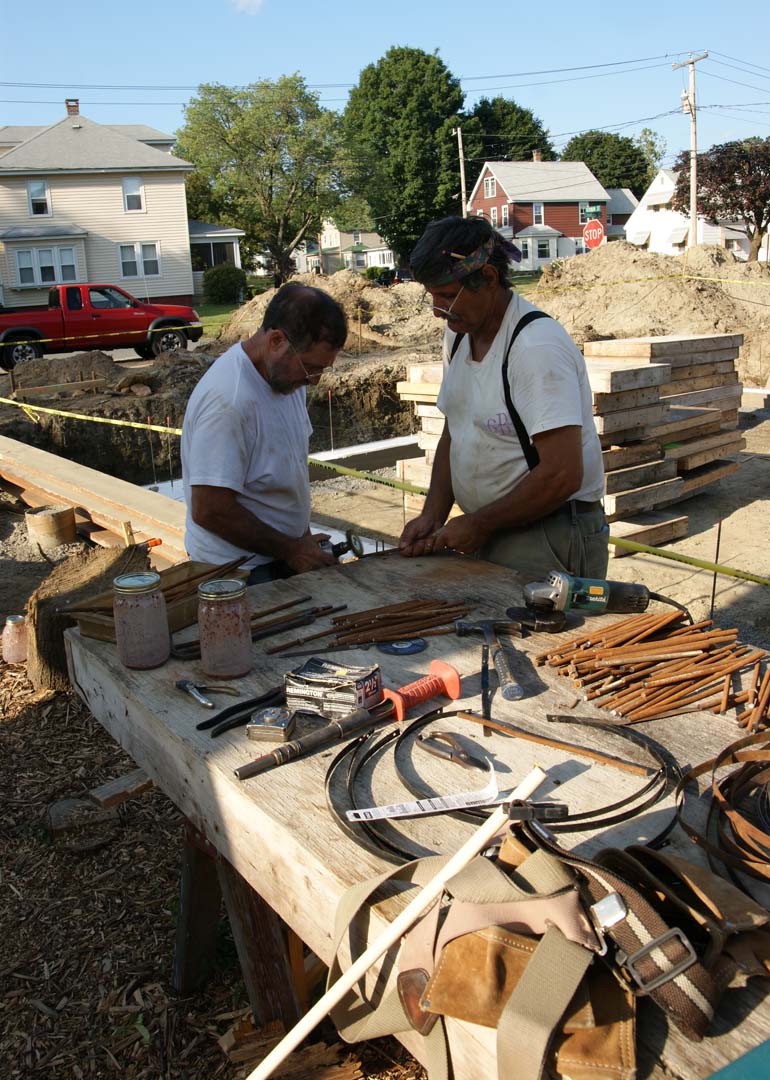
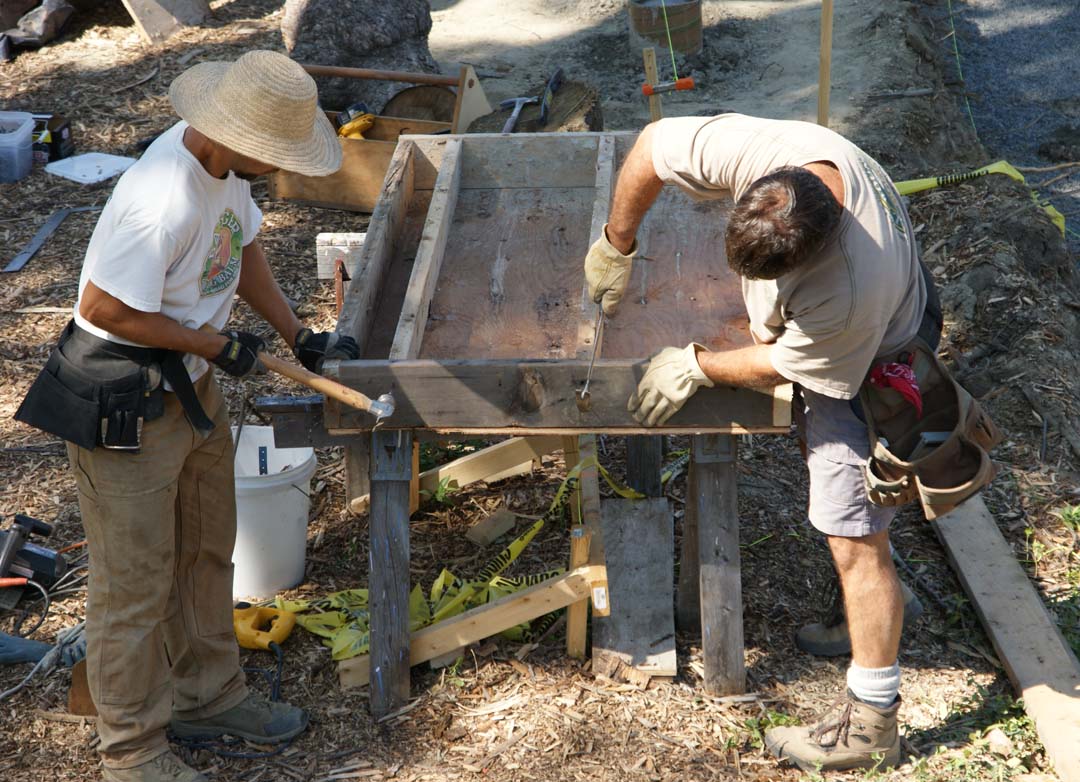
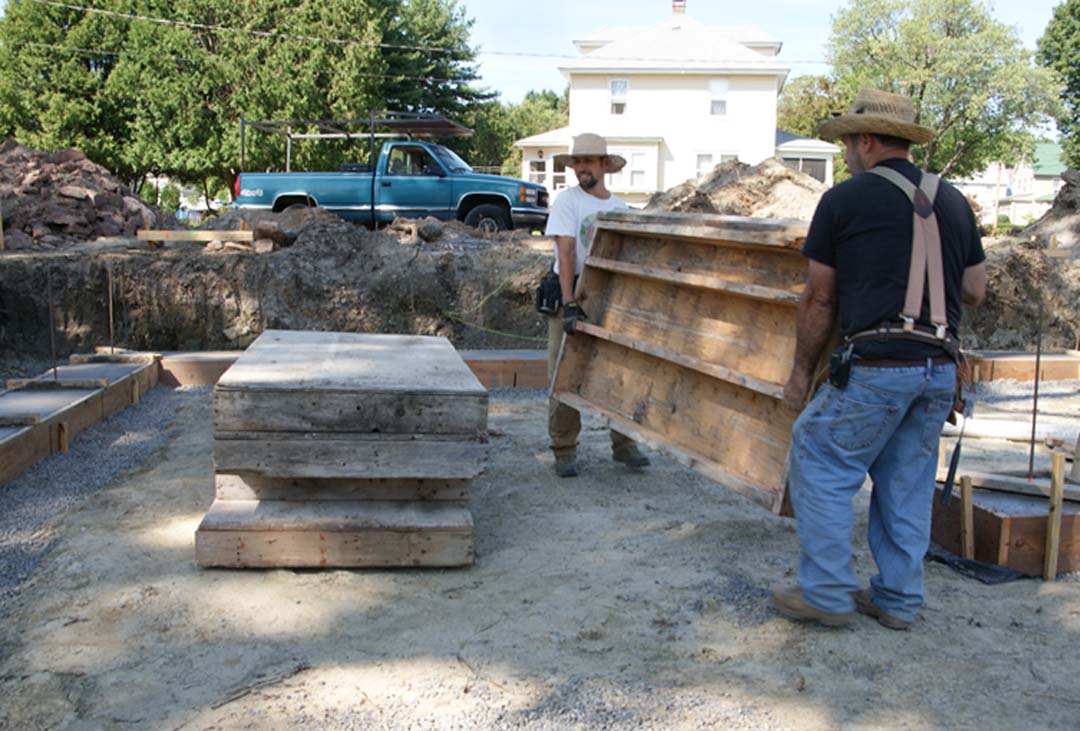
Yesterday and today Thom and I worked on stripping the forms for the house stem wall. We also brought over a load of recycled rigid foam insulation for the house stem wall. I bought the foam from a contractor in Greenfield for less than half the cost for new material. The contractor had ordered a whole truck load from Insulation Depot.com intending to use some for his own projects and sell the rest. It is unclear what the foam’s previous purpose was. It has a quarter inch of cement on one side as well as marks that indicate several other foam board sheets were perpendicularly attached. Although the foam boards don’t look like they are in good shape they will do the job. The cement parging makes each sheet quite heavy and will hopefully be more helpful than not. We need to parge the foam anyways to protect it. We will apply one layer to the exterior and two layers to the interior of the stem wall for a total of 6 inches (about R-30).

Spartan and Thom retrieving recycled foam boards

Our first load: 77 sheets to cover the vertical surface of the house stem wall.

The recycled foam boards stacked at our property

The recycled foam boards stacked at our property

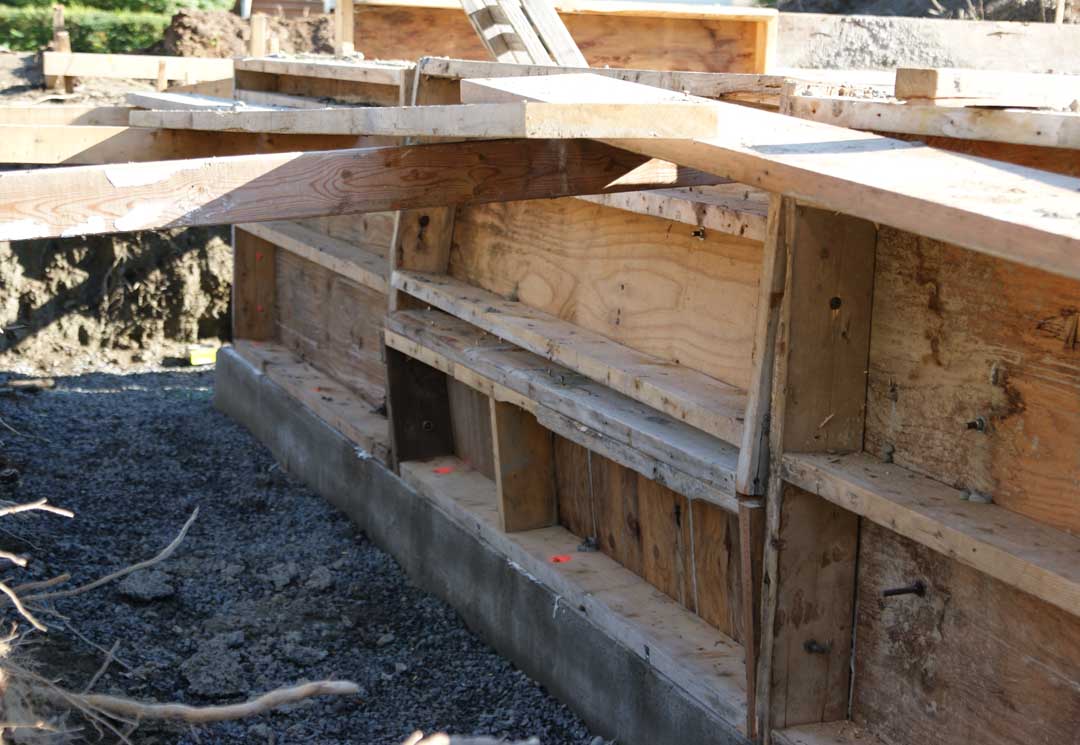
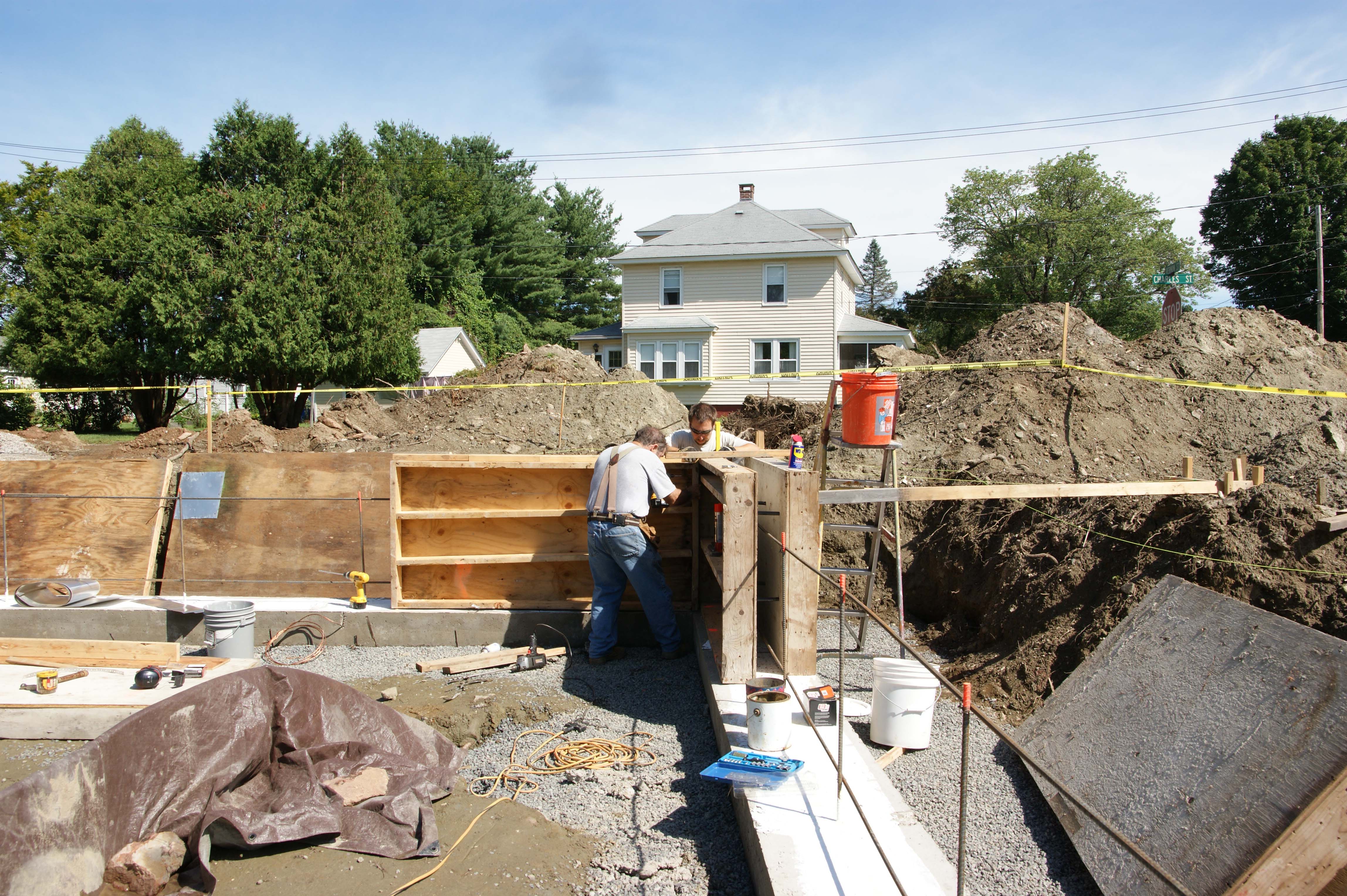
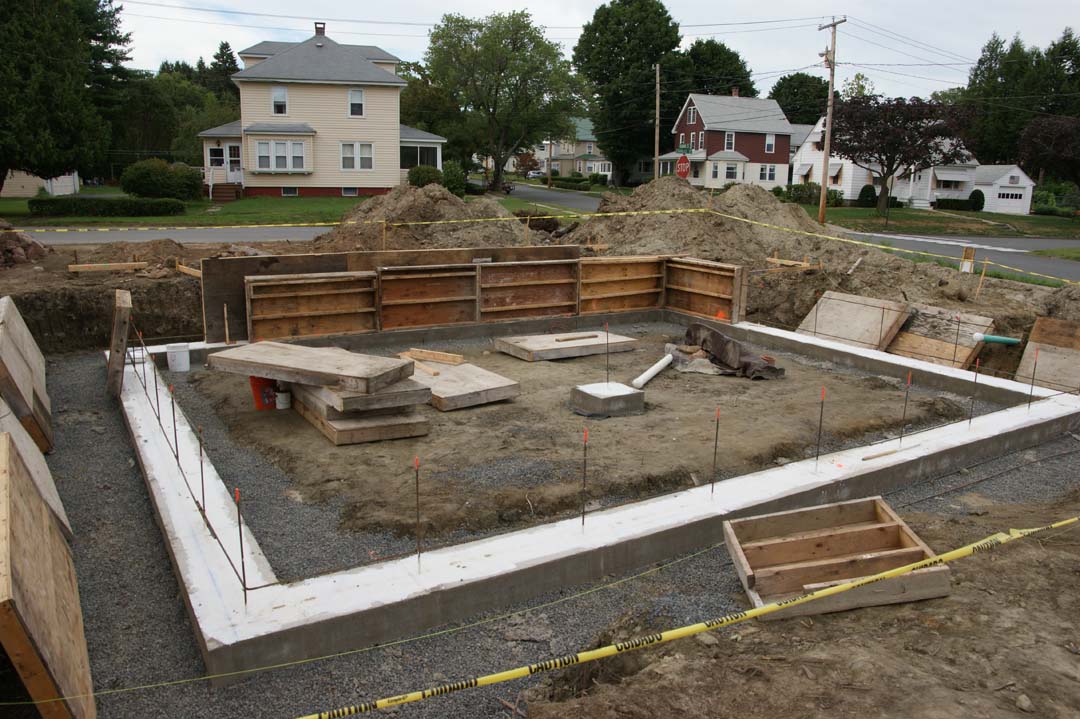
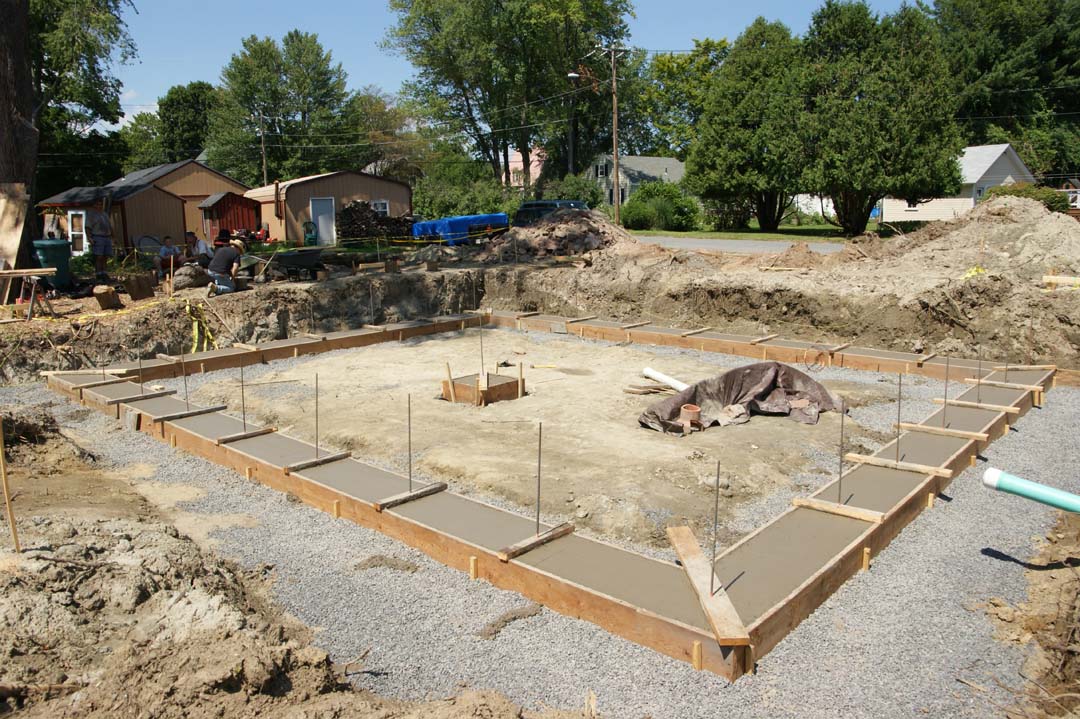
The stem wall of the house with the forms stripped

The stem wall of the house with the forms stripped

Stemwall for house poured

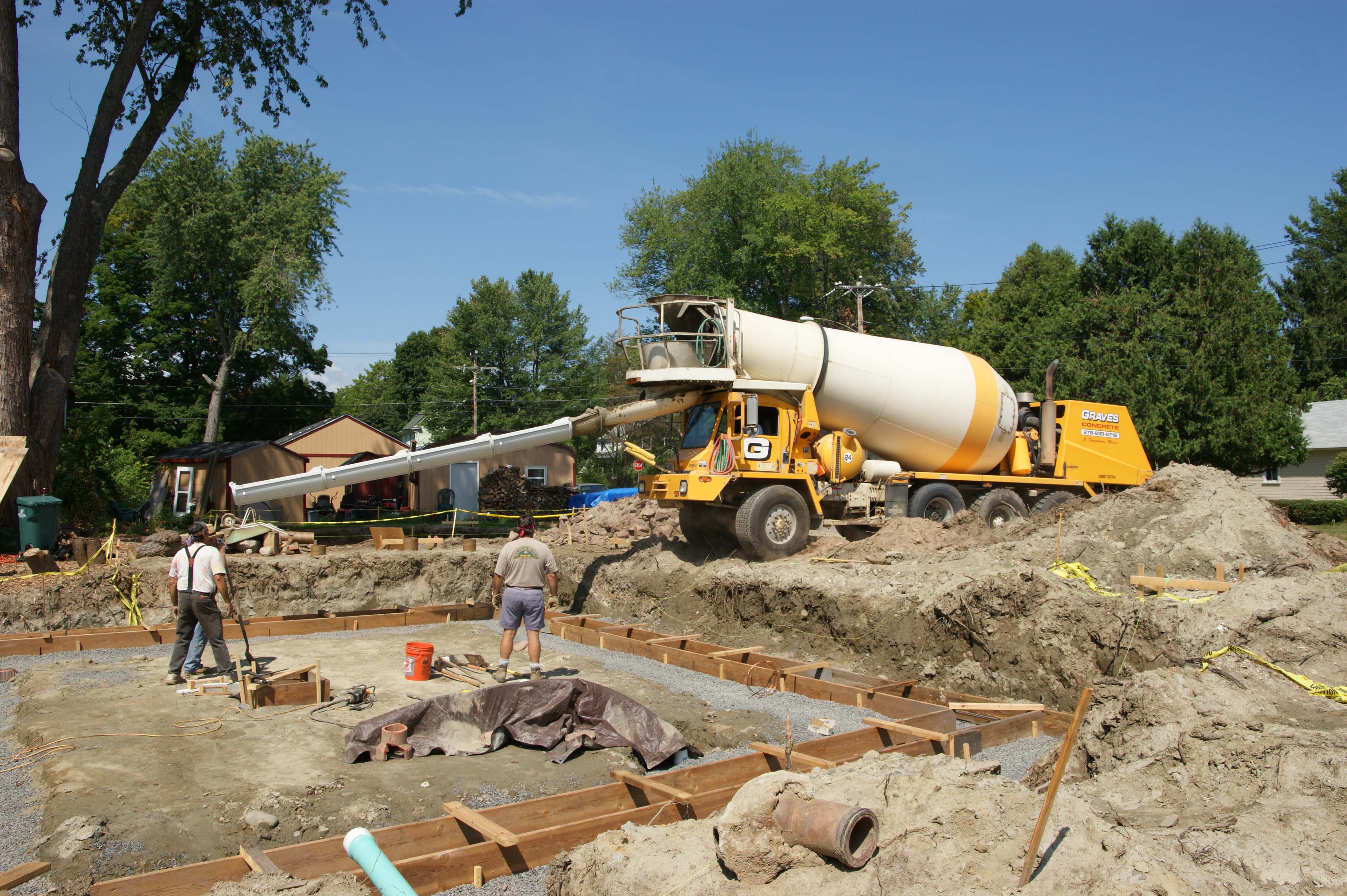
We passed another landmark: the stem wall for the house has been poured. The pour didn’t go badly, but it could have been better. We ran out of concrete and had to order another cubic yard (the minimum order) at a significant monetary penalty. I should have taken the advice of the Graves Concrete sales rep to order 11 cubic yards instead of 10.5. I suspect the 10.5 would have been OK except the stem wall forms bulged at the top about a half an inch. The walls held, but one segment nearly blew out (picture below). One neat thing that we did: we sprayed recycled vegetable oil on the inside of the forms to facilitate their removal. The whole place smelled like a carnival. We got the grease from our neighbor Darryl who runs Evergreen Motors, a grease car conversion business (thanks Darryl). The standard practice is to use a petroleum based product. Another big thanks to John D. and John S. Also a special thank you to Craig C.

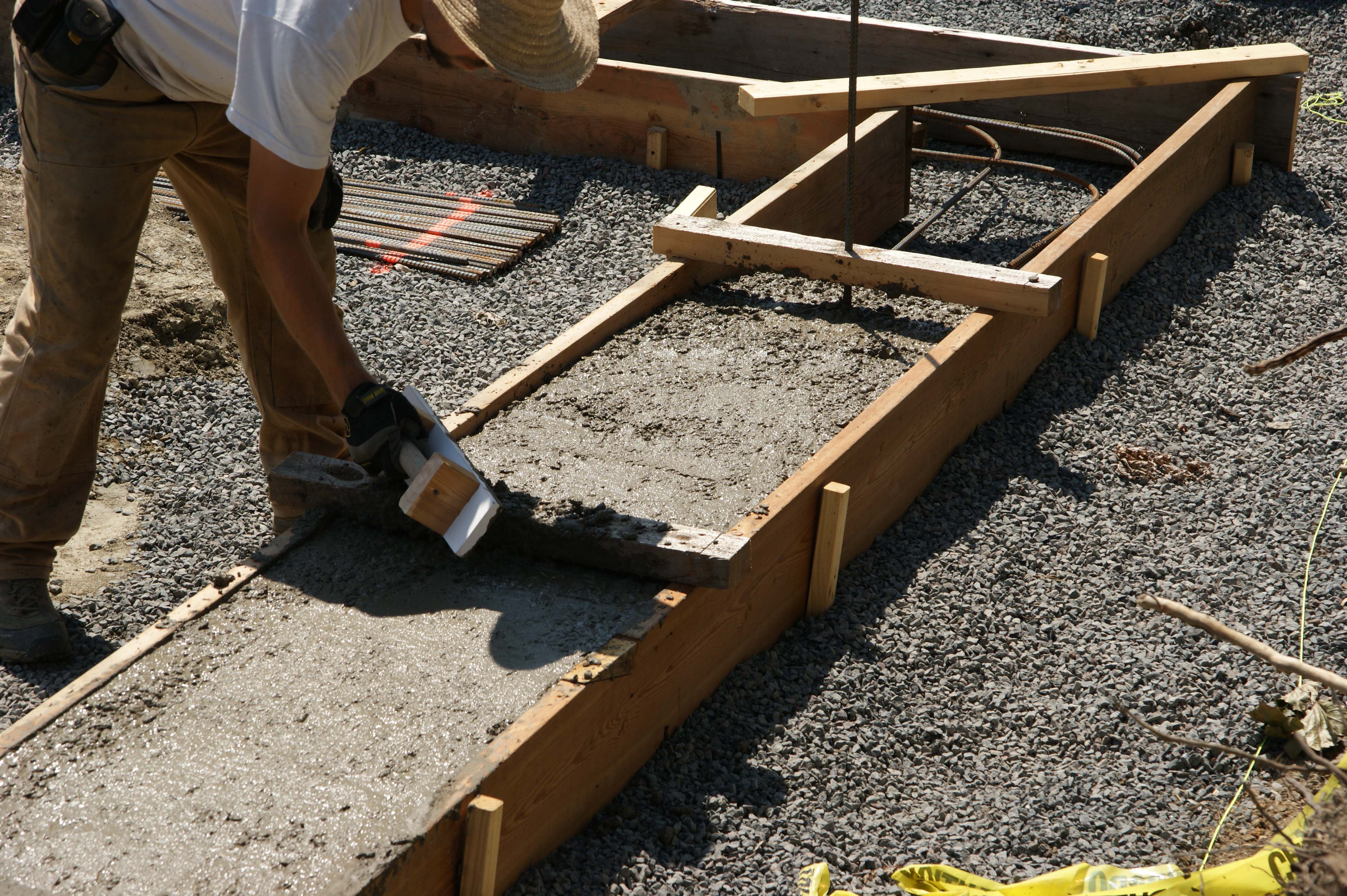
Spartan floating the garage footer

Spartan floating the garage footer, while the concrete truck begins to pour the stemwall.

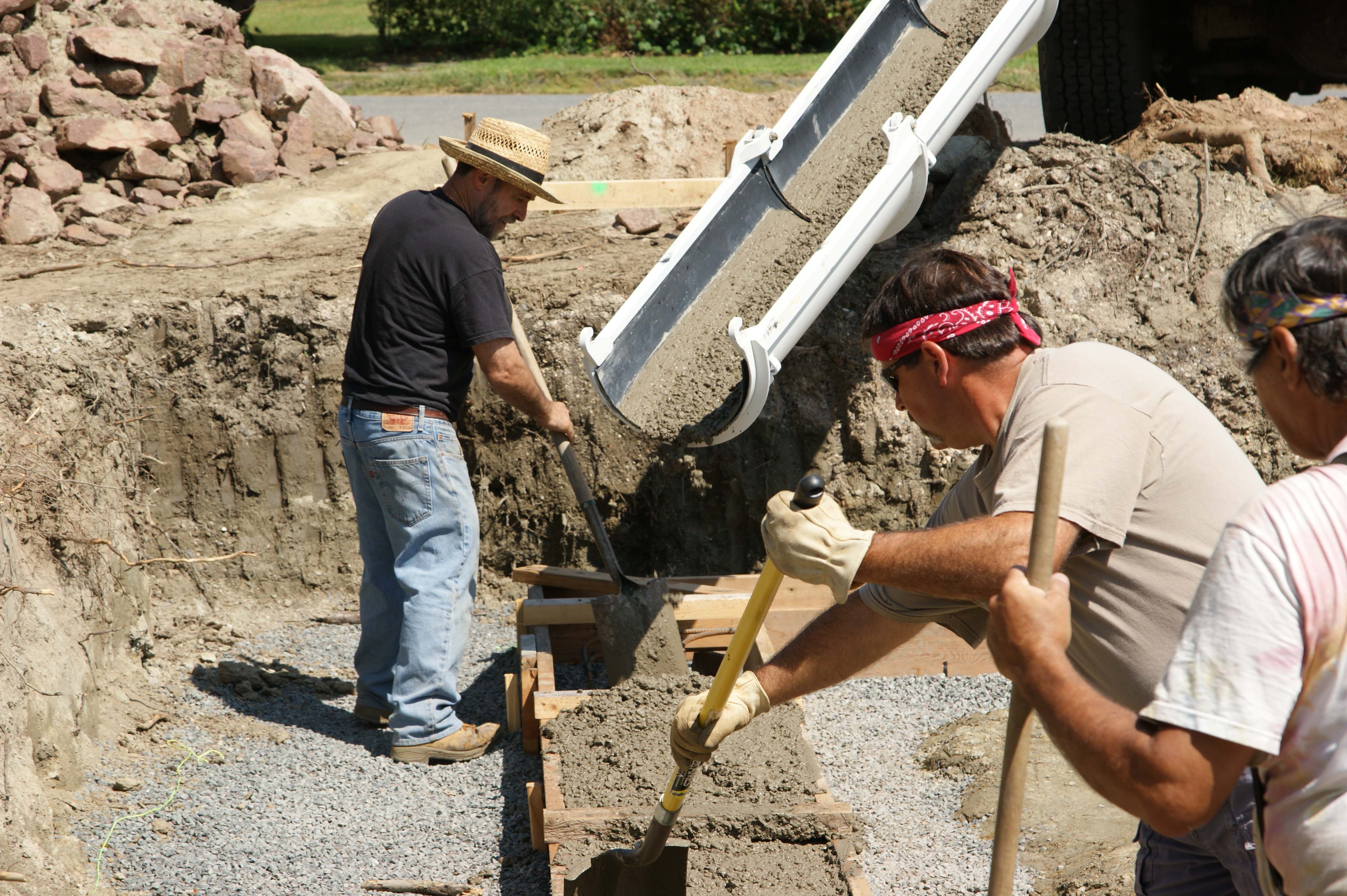
Pouring concrete into house stem wall

Pouring concrete into house stem wall

Pouring concrete into house stemwall

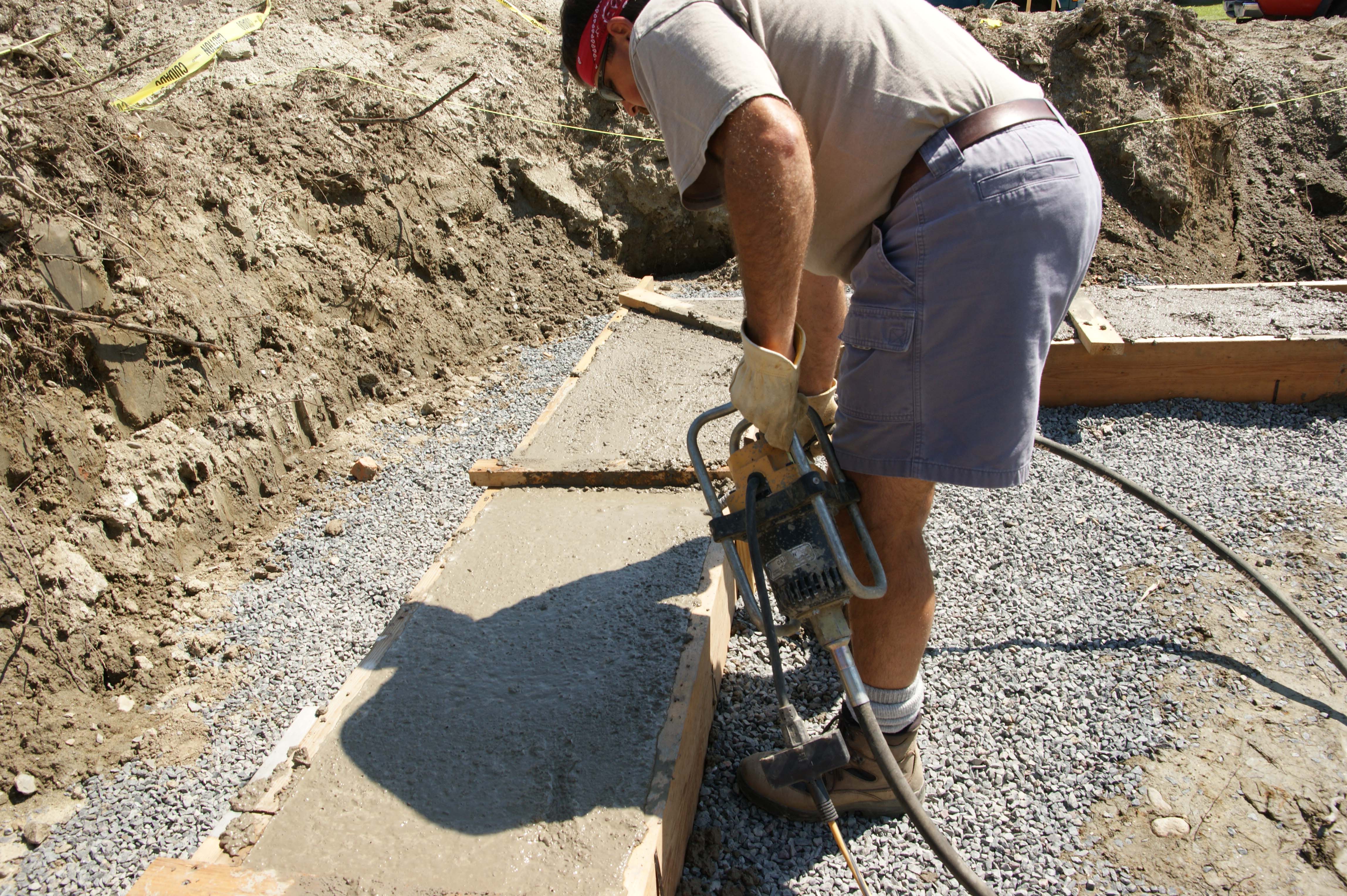
Craig, and John S. directed the concrete in while John D. used the vibrator to help the concrete to settle. I Followed them up with the float--leveling the concrete to the nails that indicated the height of the pour. In order to accurately put the nails at the same height all around I used a laser level placed in the stem wall cavity. The laser level has earned a place on my favorite tools list.

Concrete into house stem wall

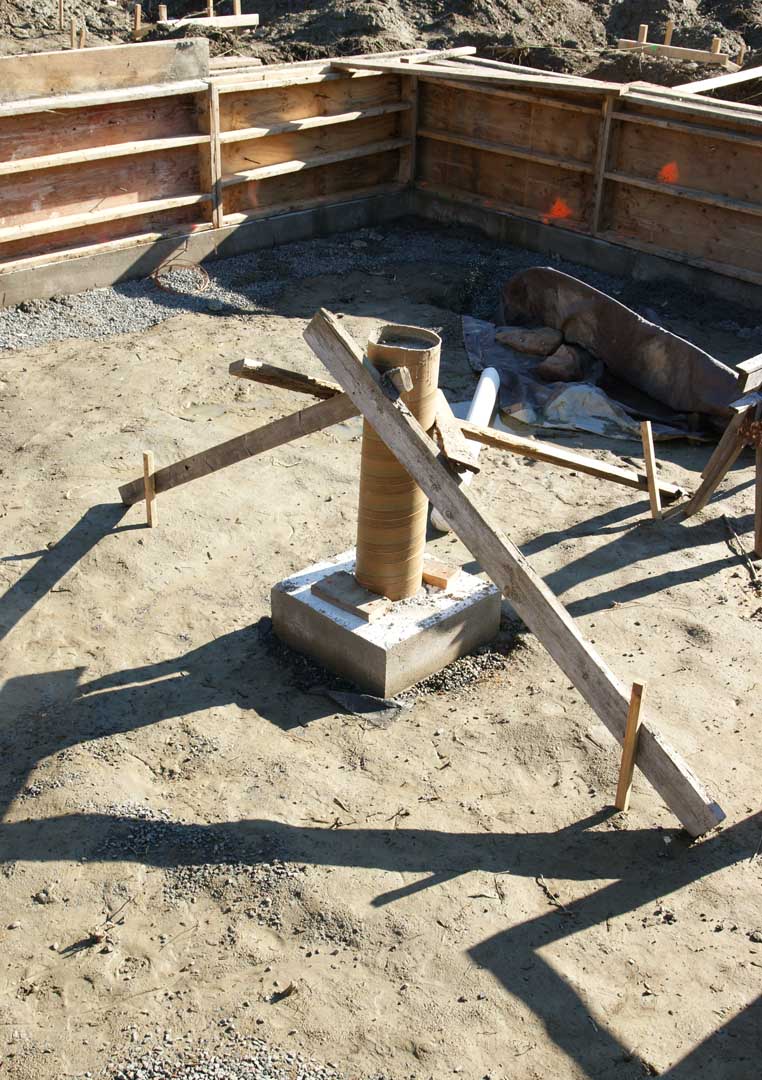
Pier for load point

Pier for load point. Hopefully we will be able to use one of the oak posts we milled to act as the interior post.

Top of stem wall the day after

Top of stem wall the day after. We inserted J-bolts into the top every 4' so we can anchor the house to the foundation.This particular side doesn't look very straight because it is the side with the bulging stem wall form segment.

The larger of the steps in the garage footer.

The garage footer ended up with three different heights to accomodate the ledge. This is the largest of the steps.

Stem wall bulge

This is the section of the stem wall that nearly blew out. It was inherently weaker because we it was made of two horizontal pieces of plywood.

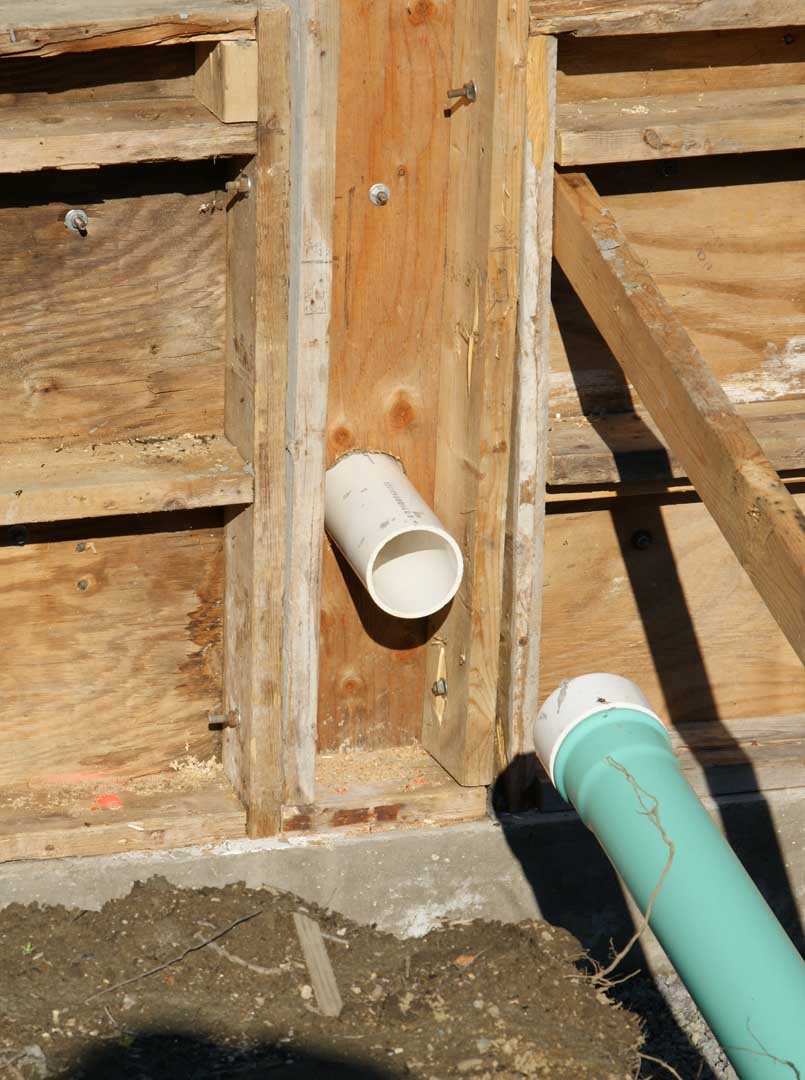
Sewer stub in stem wall

After doing some calculations I realized that the sewer pipe exited the ground too high up. I'll have to go back and re-excavate the sewer pipe and move it down to meet the stub in the stemwall.

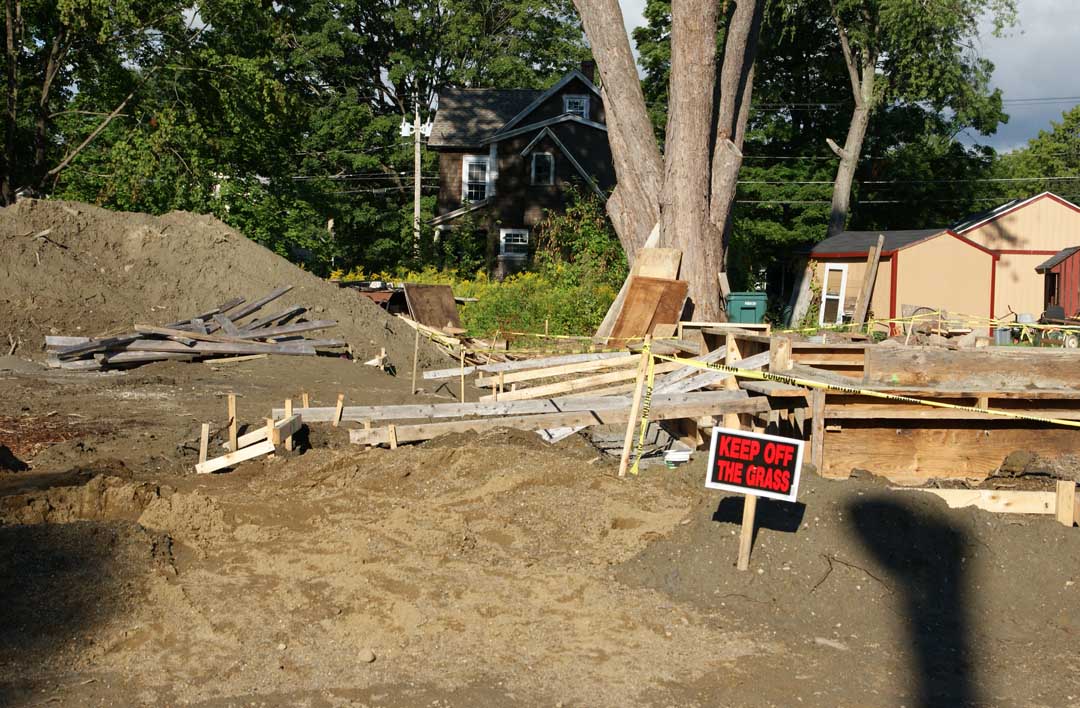
Keep off the grass

There hasn't been any issues with people going onto the property, but we decided it would be good insurance to put up keep off signs. The signs look really intimidating, so I decided to lighten the mood.

Stem wall forms for house – half done

We have been busy for the last week working towards and putting up the stem wall forms for the house as well as the footing forms for the garage.John S. has been very generous both with his time and materials. John had done some concrete work for another contractor some years ago. As a result he acquired a set of concrete forms that we are putting to use. Unfortunately the forms have been out in the weather for several years and require some TLC. Similarly, the threaded rod that we are using to hold the two opposing form panels together needs a fair amount of personal attention in the form of cleaning off rust and re-threading the ends.

In addition to the threaded rod, the forms are held in place with ramset nails to the footer and buttress braces to the ground.

On Monday the 16th we took off the footing forms and brought in the stem wall forms.

On Monday the 16th we took off the footing forms and brought in the stem wall forms. We also put on the two horizontal courses of rebar that run through the stem wall.

John and John hard at work cleaning up the old threaded rod.

John and John hard at work cleaning up the old threaded rod.

John and Spartan put up the first stem wall forms

John S. (hard at work) and Spartan put up the first stem wall forms. Please note: John S. works very hard... even when he is posing with shovels.

Detail of the connections between the stem wall forms

Detail of the connections between the stem wall forms. The threaded rod is inserted through a plastic sleeve (recycled plastic pipe). The sleeve allows us to remove and reuse the threaded rod as well as serve as a way to space the panels apart the required 6".

Adam working on garage footing forms

Adam working on the garage footing forms. Stepping the forms up and around the ledge is somewhat challenging. On the other hand, stabilizing the forms is really easy--just drill a short piece of rebar into the ledge.

This is how far we got by the end of Tuesday the 17th

This is how far we got by the end of Tuesday the 17th. By Wednesday we were getting in the swing of things. We wrapped around the Northwest and Southwest corners.

Working on forms

Today we continued working on repairing and adjusting the concrete forms. We also started making “new”ones using recycled materials. John S. showed off his carpentry skills by bending the twisted boards from Renew salvage into submission. John D. helped out today as well.
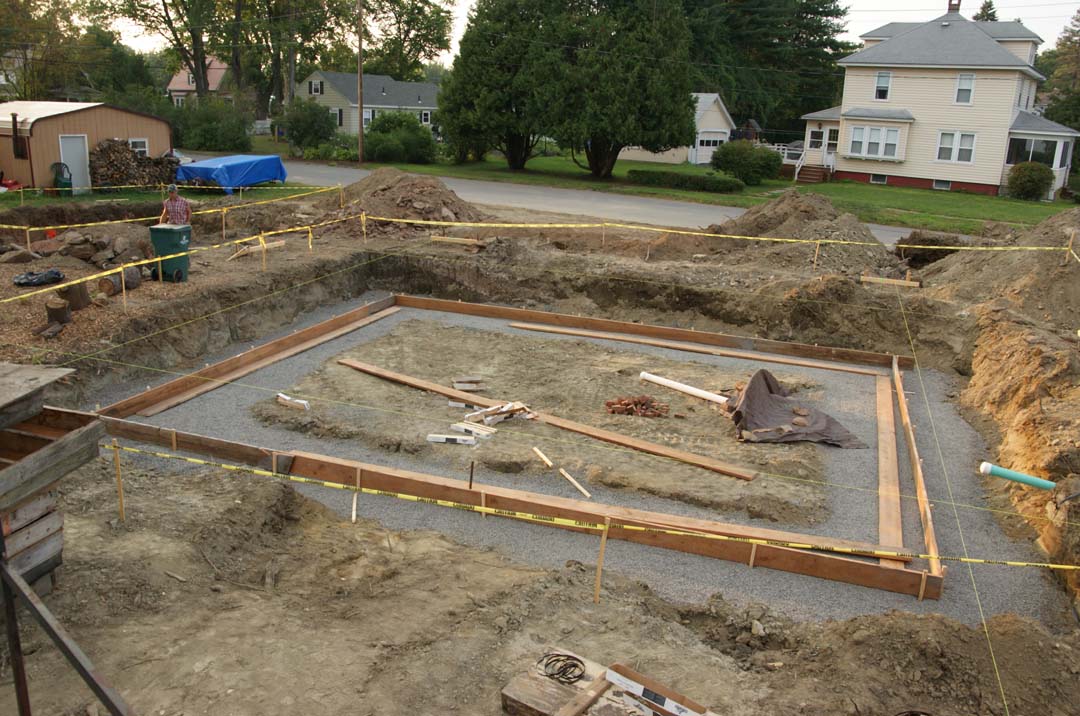
Footing poured!

Yesterday John D., John S., Thom, Thom’s son TJ, and I worked together to pour the footing for the house as well as the piers for the porch posts. Everything went off without a hitch. We had exactly the right amount of concrete (6 cu. yards), the truck was able to get access to the whole footing, and, most importantly, there were no blowouts.

During the second part of the day Thom, John S. and I worked on fixing and adjusting the concrete forms for the stem wall.

John S. posing with shovel

John S. poses while we wait for the cement truck to show up. Hannah brought us homemade vegan blueberry orange muffins and coffee. Hannah picked the blueberries the day before at the Benson Place in Heath.

The cement truck shows up

The cement truck shows up. We were all impressed how close to the edge of the pit the driver was willing to go. The truck alone weighs 38,000 lbs. With the 6 cu. yards of concrete it weighed around 50,000 lbs.

Pouring the concrete

Pouring the concrete

Thom using the concrete vibrator

Thom using the concrete vibrator

Troweling the concrete

Spartan troweling the concrete with homemade trowel

TJ's cool shot looking up the shoot of the cement truck

TJ's cool photograph looking up the shoot of the cement truck

Taking a break after the pour

Taking a break after the pour

The completed footing

The completed footing

Thom and Spartan fixing concrete forms

Thom and Spartan fixing concrete forms

John S. and Spartan stacking the fixed concrete forms

John S. and Spartan stacking the fixed concrete forms

Workin’ away

Thom and I spent the day working in the hot sun. We finished cleaning out the garage pit. After putting down geotextile fabric and stone we turned our attention to rehabilitating the concrete wall forms that John S. has given us. The forms have been sitting out in the weather for the past five years and have accumulated some rot.

Our electrician stopped by and tied on the copper wire to ground the rebar.

The concrete pour for the house footing is scheduled for tomorrow at 11 in the morning.

Posts for porch

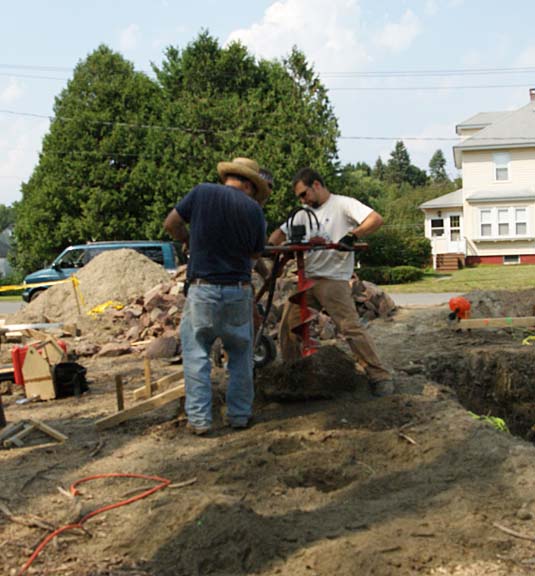
Today, John S., Thom and I worked on digging the the holes for the porch piers. We rented a hydraulic post hole digger from Taylor. It was a good thing we had all three of us there, it was a beast to operate. After we finished the setting the form tubes in the ground we turned our attention to laying out the rest of the strings for the garage batter boards.

I learned today that the rebar in the footing needs to be grounded. This creates a minor delay in pouring the concrete for the footing. Instead of tomorrow we will have to do it on Wednesday. Bob, my electrician, will come and take care of the situation tomorrow.

Hydraulic post hole digger

The hydraulic post hole auger was difficult to operate with two just two of us -- picture by Thom

Dirt spraying from post hole auger

Dirt spraying from post hole auger

House footing forms day 3

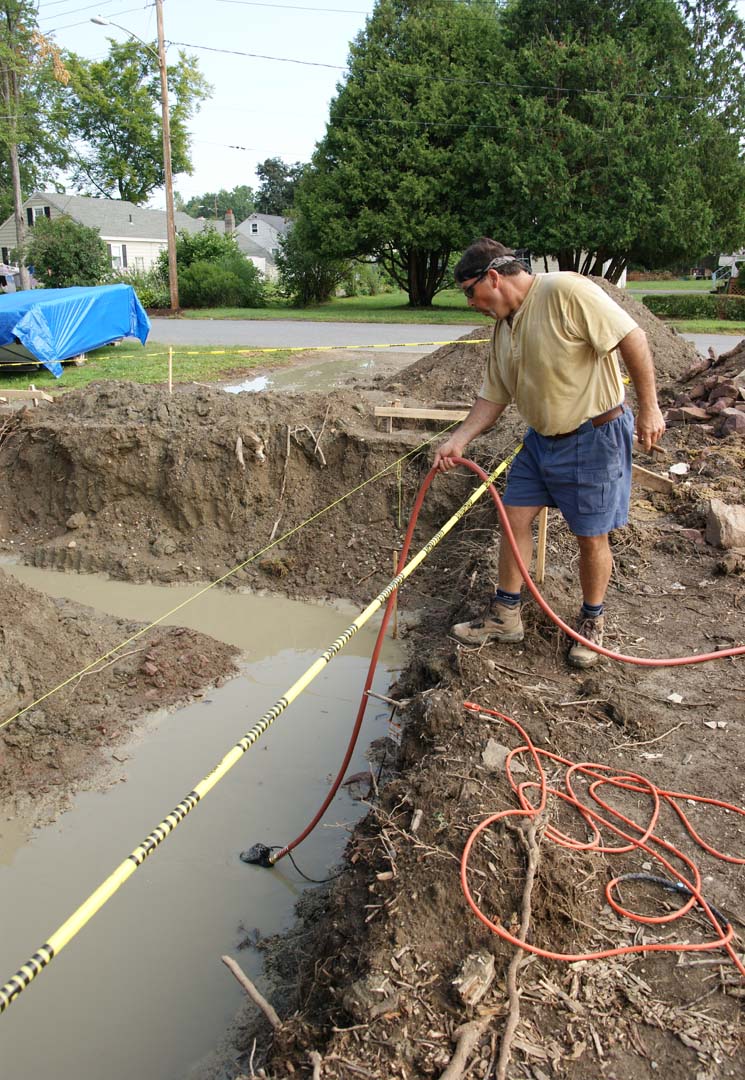
We spent the first few hours of the morning recovering from the rain storm. The clay does us no favors–it doesn’t drain and it turns into very slippery mud. A drainage ditch was dug to drain some standing water, dirt was put in low spots, wood chips were put on top. The garage pit had 6-7″ of standing water in it. Luckily Thom had a sump pump handy. It took about an hour to extract the water. Fortunately dry air and a good breeze helped dry things out. The day turned out great. We got our rebar, wire ties, and metal mesh dropped off in the morning ($715). Adam, John S., Thom and I finished up the form work for the house footings.

Site remediation after the rain

Site remediation after the rain

Water in the garage pit

Water in the garage pit

Thom making a sucking sound as he lowers in the pump

Thom making a sucking sound as he lowers in the pump

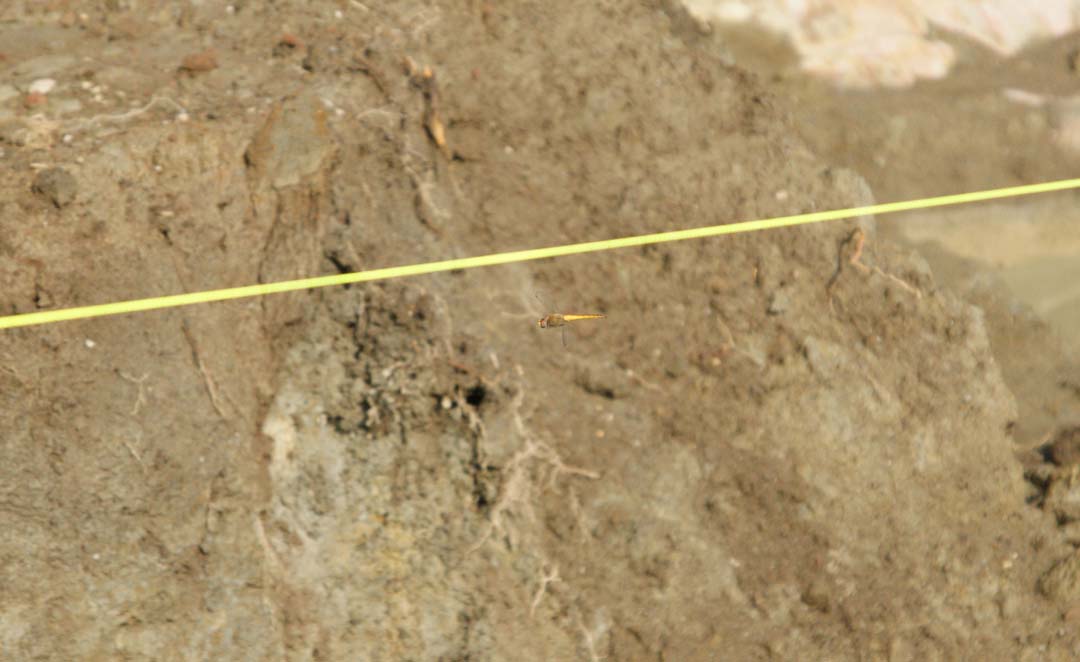
The dragon flys were enjoying the standing water

The dragon flys were enjoying the standing water

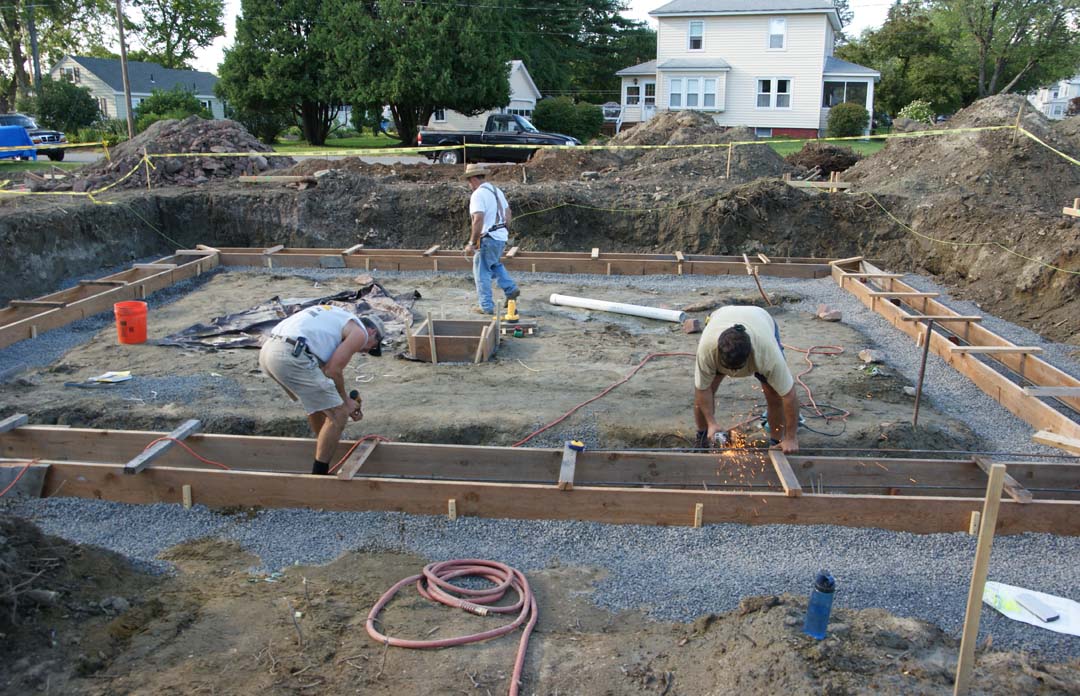
Four of us working

THe four of us made quick work of finishing the form work for the house footing.

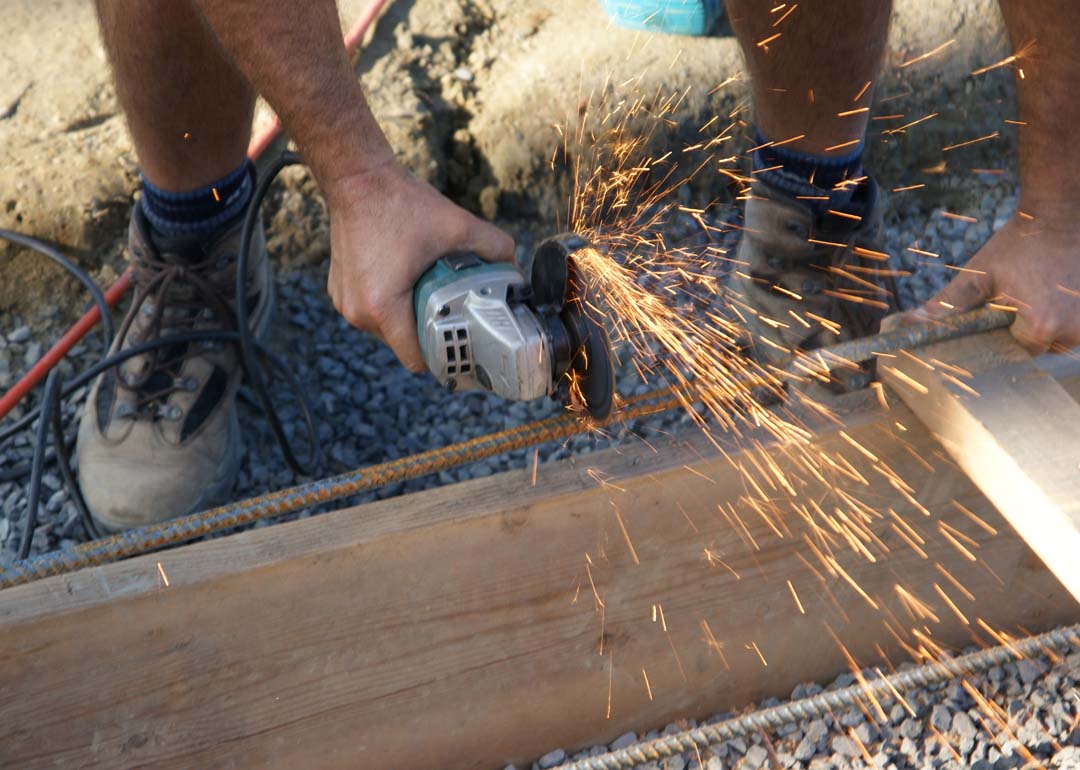
Thom cutting rebar with an angle grinder

Thom cutting rebar with an angle grinder.

Adam putting in set-screws for the vertical rebar while I tie the horizontal rebar together.

Adam putting in set-screws for the vertical rebar while I tie the horizontal rebar together.

House footing forms Day 1

Last Wednesday we got off to a great start working on the footings for the house. John D. compacted the crushed stone and John S. and I assembled the outside boards. Adam meanwhile worked on putting up batterboards for the garage as well as cleaning out the pit more. Our form boards came from Renew in Brattleboro. They are recycled 25′ long douglas fir rafters.

Compacting the crushed stone

John D. Compacting the crushed stone

End of first day assembling footing forms for house

End of first day assembling footing forms for houseI owe a big thank you to John S. for encouraging and helping me to do my own concrete work. John has also donated a bunch of materials to the project.