A couple of weeks ago we picked up 6 Anderson 400 series windows off of Craigs List. Saving about 1/3 the retail cost.
Windows
Reply

A couple of weeks ago we picked up 6 Anderson 400 series windows off of Craigs List. Saving about 1/3 the retail cost.
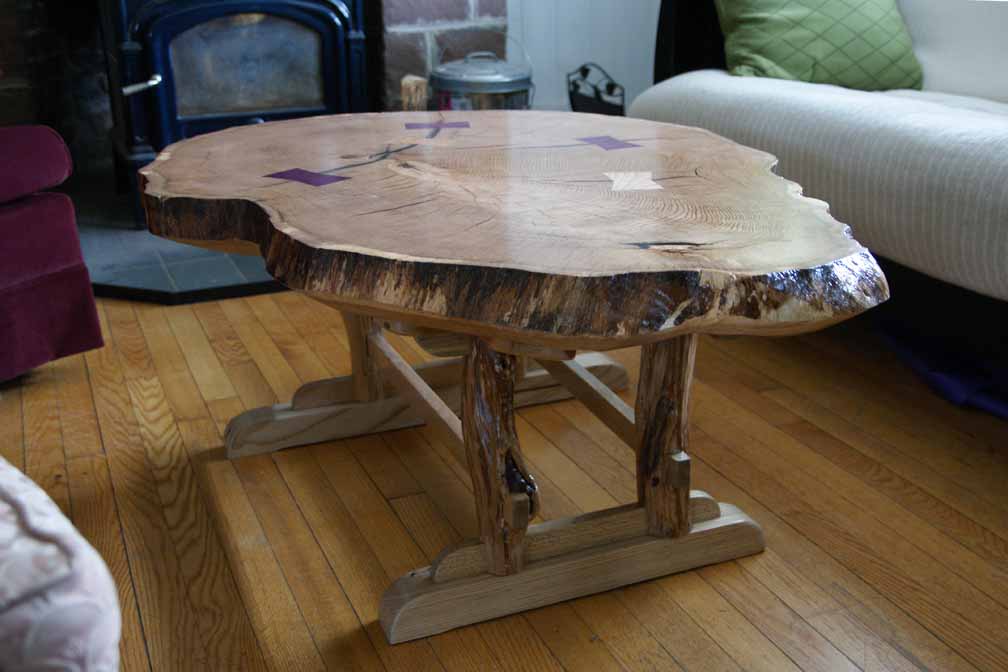
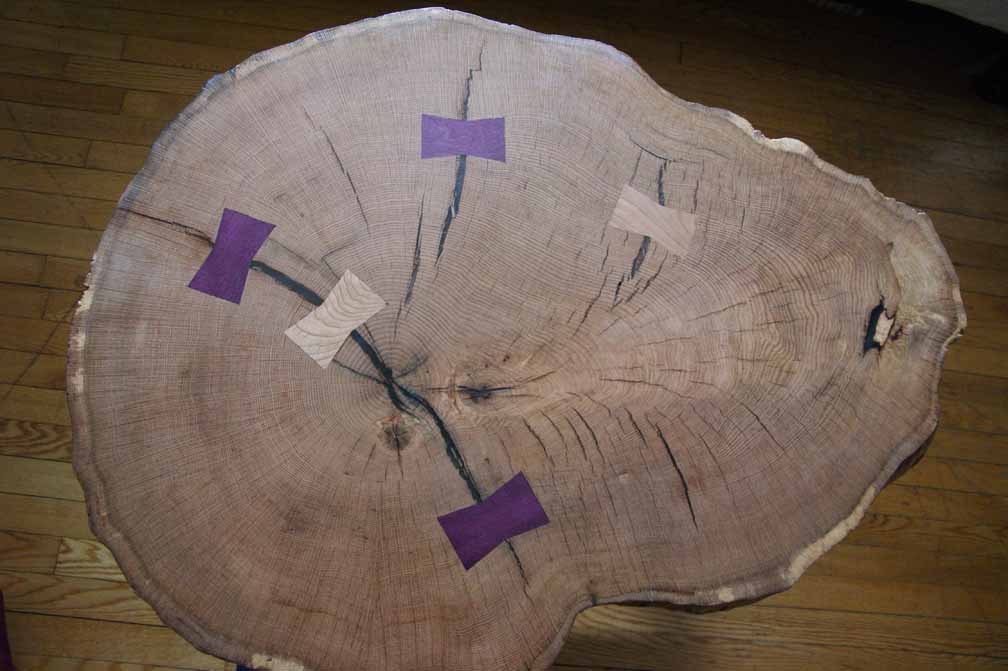
I’ve been working on this coffee table since last fall. The red oak table top shows about 167 rings, however, the tree is no doubt a couple decades older–it came from 25-30 feet off the ground. The oak fell on its own, the purple heart and cherry butterfly dovetail keys are from my friend’s scrap wood, the dimensioned wood is made from bed and futon frames that I have picked up at the side of the road, and the hop horn beam wood legs are from our fire wood pile; so I am proud to say that this project used 100% reclaimed wood. The cracks are filled with 2 part clear epoxy and it is finished with 3 coats of Polycrylic. Even though it was supposed to be a satin finish it looks more like gloss.
My full attention for projects can now be oriented towards home design and construction.
We’ve had the truck for a few weeks now–a ’97 GMC Sierra. Its a half ton v8.

Finally got the brakes replaced on the Nissan Sentra… it is still available for purchase.
Only a few more trees to take down. Then we will need to move the fire wood, chip the branches, and mill the largest trees.
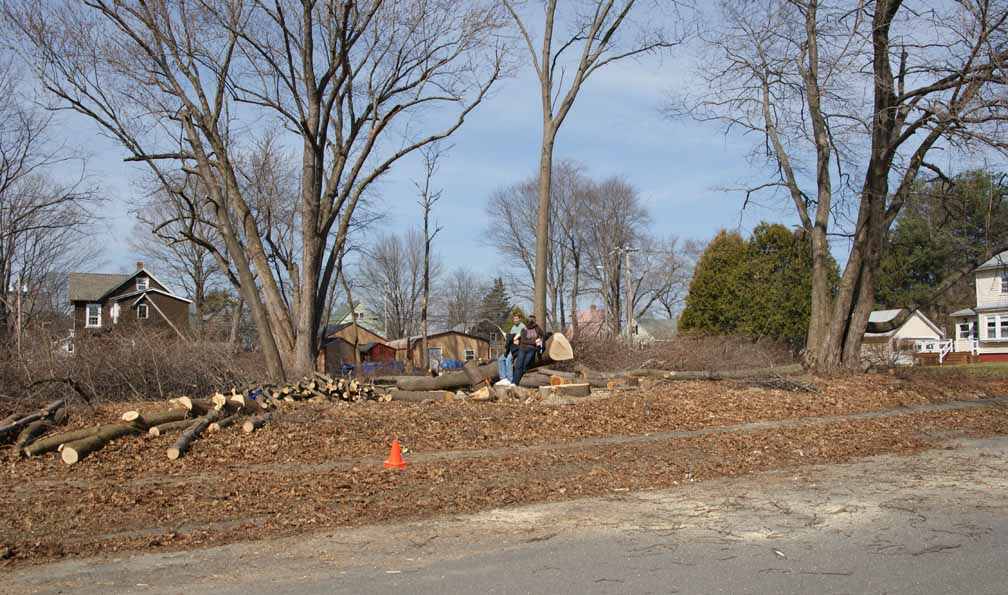
Almost done with take down. Our friends Marissa and Tim are sitting on the largest tree on the property. An oak that measures around 22" diameter. Incredibly it is only about 45 years old.
This past Saturday my classmate John and a friend of his tackled some of the harder trees. They did a great job. It was incredible to watch John work 50 feet off the ground wielding a chainsaw and craning the limbs, one-by-one to safely to the ground.

Last Thursday Adam took down the small trees while I piled brush. We were going to take down the larger trees this past Saturday, but the weather got in the way.


So after a couple of weeks of steady work on the home design I have some results to share. The design below meets most of our requirements–although it is larger than we were shooting for–the interior footprint is 720 square feet.

View from the Southeast (Vernon St.)
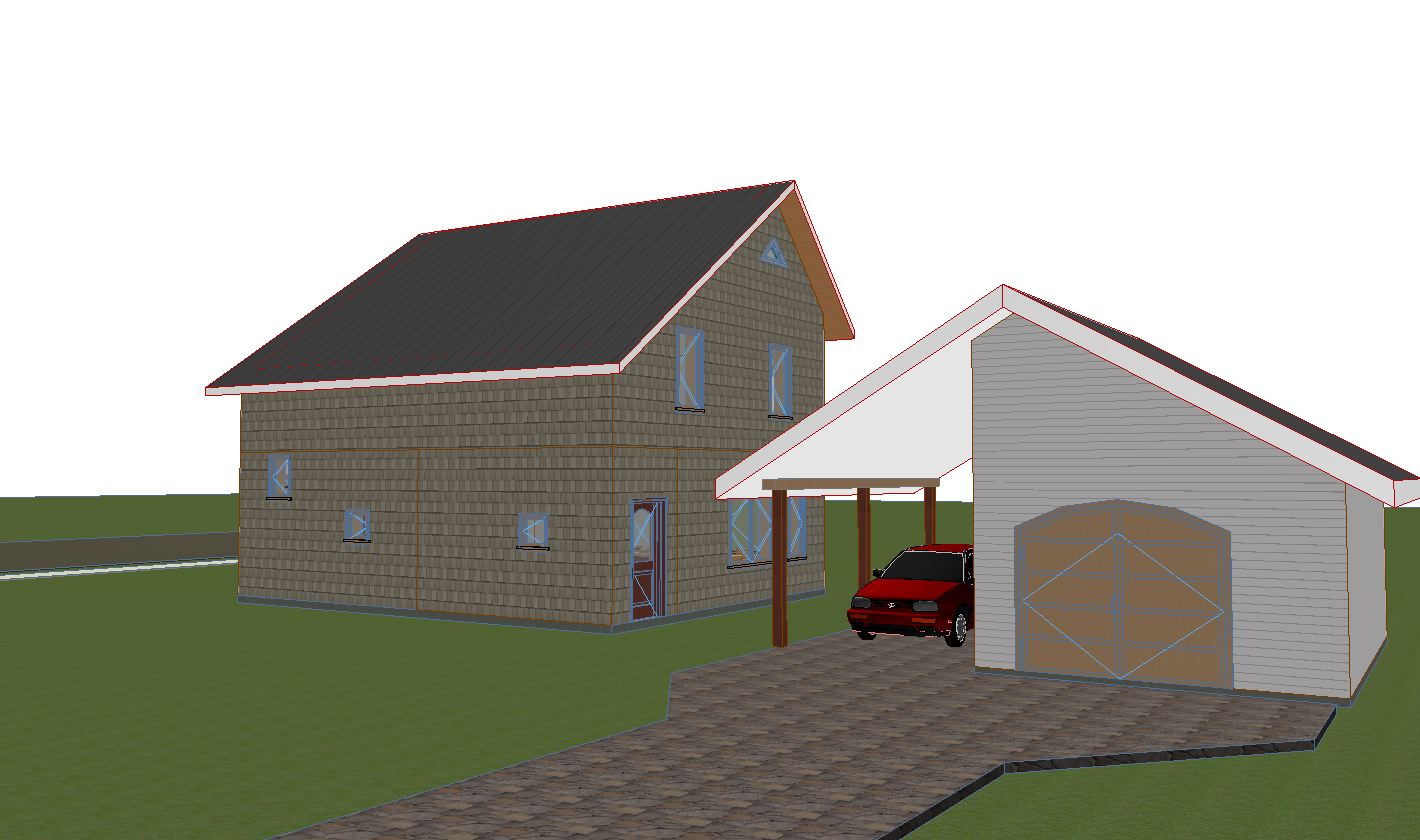
View from the Northwest (Charles St.) We will need to be creative about how to dress-up the windowless North wall.

First floor living space from the southeast corner
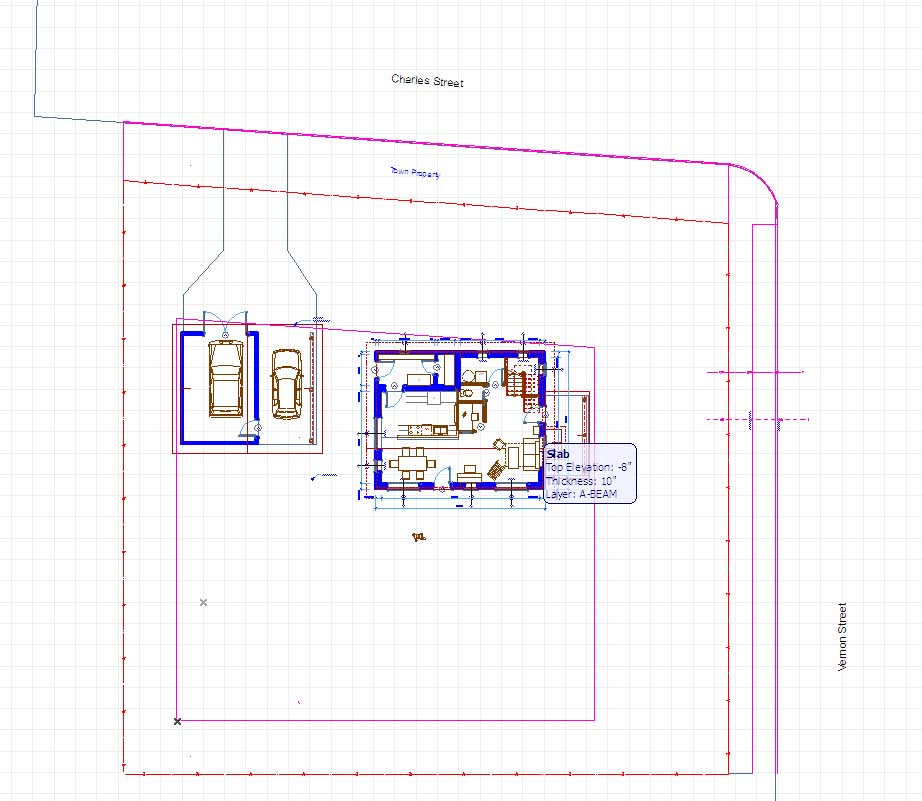
Lot plan
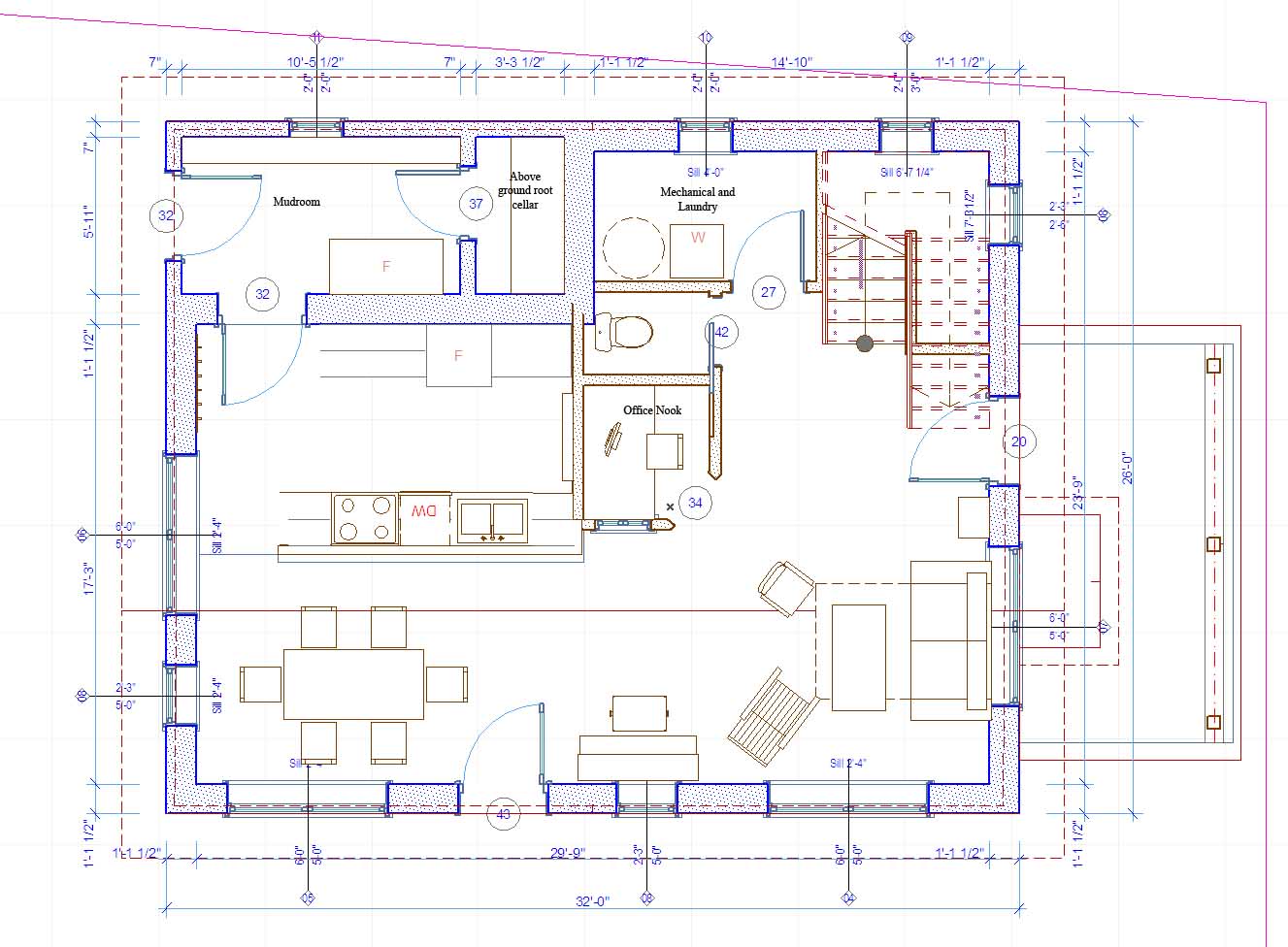
First floor plan
The floor plan below shows the beds with a desk on top of them. It actually is the other way around. The beds would/could be lofted to make space for the desk.

Second floor plan
The height from the second floor to the peak of the roof is about 15 feet. This allows us to create 3rd floor loft space.
Here is how a hypothetical 2-panel system would perform at the center of the lot at ground level. The calculations are based on the shade analysis from the Solar Pathfinder (images available on an earlier post).

If one is interested in maximizing one’s wintertime gain, a 64 degree tilt is optimal. One can confirm this with the online program PVWatts 1 by plugging various tilt angles until arriving at the most wintertime energy gain.
 The calculations show that the system will output on an average winter day about 49 gallons of hot water.
A comparative analysis:
 Since we will need the most hot water during wintertime, it makes sense to tilt the panels to 64 degrees. Of course, if these were photovoltaic panels (generating electricity) this would not at all be the way to go.
Here are some pictures of the lot that I took back in the fall. I pieced the panoramic view together in Photoshop.

The corner of our lot looking in. My bicycle is on the left.
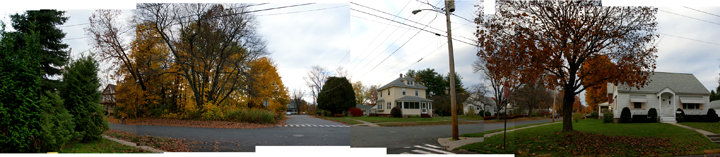
Panoramic view of our neighborhood looking west down Charles St.
Last night I dreamed that after taking down the trees the lot looked really nice… somehow I don’t think that will be the reality immediately. My friend Adam and I will be taking down the smaller trees on Feb 25th. I am meeting tomorrow (2-16-10) with another friend Sonny and a classmate of mine John to discuss when to do the bigger trees. My plan is to hire someone with a portable band-saw mill to come on site to mill as much of the wood as reasonable. There’s going to be a big pile of brush afterwords and I suppose I will have to rent a chipper. I have fantasies of having a workparty where everyone brings a pair of loppers and we go to town on the brush. It would be a couple hundred to rent the chipper and it would make a ton of noise and cause some pollution. Thoughts anyone?
-S
 Design & Construction of Spartan & Hannah's Home